I thought that it was time to do something about my "Anti-Prius attitude". This is not supposed to be a car review, even if it might seem like one.
I asked an aquaintance of mine, a local car dealer, if I he was selling hybrid cars and if I could borrow a Prius for an afternoon drive. Fortunately, he had a Prius among his vast sortiment of one hybrid car. Compared to the US the hybrid market in Europe is still undeveloped because of the strong performing European diesel powered cars. It was an unused Toyota Prius V from 2013 and ready to drive. So I had a go. It is said to do around 42 mpg (overall), g
et from 0 to 60 (mph with 138 hp) in 10 seconds and on to a top speed of 115 (mph). Well, it doesn't. As most cars don't live up to one or to things in their description, the Prius is just a liar. I really tried to drive economically but only managed to get 40 mpg , which is weak for a Hybrid. In terms of speed the Prius is lacking too. It took me more than 11 seconds to get from 0 to 60 mpg. Unfortunately, I wasn't allowed to try to reach its top speed due to Austria's 80 mile speed limit on the motorway. Unofficially, I have to say that I couldn't reach it because the car would only go 109 mph.
Although those statistics don't matter they give you the general impression that the car is just not as good as you thought it would be.
The hybrid car engineers, especially at Toyota, really need to think about developing better engines. As it is now, they produce relatively weak engines that use too much fuel to be called "efficient".
Personally, I would never change my petrol engine (159 horsepower, 40mpg) for an engine that is not only more expensive, but also worse, for just a little bit of fuel economy.
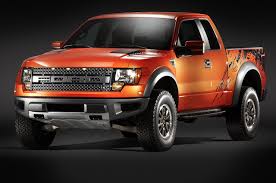
I think that the most relevant reason for the development of a hybrid market was the attitude of the American car byers. And it still is. Americans tend to buy cars based on performance rather than fuel economy or practicality. For years the Ford F-150 (a large Pick-Up truck) was one of the best selling cars in the whole US. Those unnecessarily big cars used an astronomic amount of fuel and therefore, it was only a matter of time until the public opinion shifted. Whereas, in Europe the diesel car market flourished, Toyota introduced the hybrid car in the US. The problem I see is not the hybrid technology itself but the attitude of the hybrid byers. Instead of choosing the most economical hybrid, built in the US (less pollution because it is engineered and built without unnecessary transport) they choose the Prius because of its symbolic value.
Source:
http://www.treehugger.com/cars/test-drive-ford-c-max-hybrid-vs-toyota-prius-v.html


